Above the Soil: The Research Supporting Below Penetrating Analyses
GPR, also known as GPR, are changing the way we examine and interact with the underground of our ecosystem. This non-invasive technique utilizes radar waves to visualize the underground, enabling us to detect what lies beneath the surface bypassing the need for the need for extensive digging. For both parties those new to the idea and veteran professionals, understanding the basics of Ground Penetrating Surveys is essential when planning excavation or construction tasks.
As we investigate the science behind this innovative technique, it is clear that Ground Penetrating Surveys have a vital role in modern building efforts and environmental evaluations. From ensuring safety on building sites to uncovering historical items in archaeology, the applications are numerous and significant. With the appropriate guidance and knowledge about how GPR works, you can utilize its benefits to reduce risks, eliminate costly delays, and protect vital underground resources.
Comprehending GPR
Ground Penetrating Surveys, or GPR, utilize non-invasive radar technology to analyze subsurface conditions without the need for excavation. By transmitting high-frequency radio waves into the ground, GPR captures reflected signals that provide valuable insights into the underground level. This innovative technique is essential for a range of applications, including utility locating, environmental assessments, and archaeological investigations, helping professionals make informed decisions before starting physical work.
One of the major advantages of GPR is its ability to identify a wide range of underground features, such as pipes, cables, voids, and even archaeological artifacts. The data collected can reveal the depth, size, and material composition of these objects, allowing contractors and developers to plan projects with greater precision. This information is important for lessening risks associated with unexpected encounters during excavation, which can cause financial project delays and safety hazards.
As the building and engineering industries continue to grow, the role of Ground Penetrating Surveys is turning increasingly critical. With growing concerns about safety, efficiency, and environmental impact, professionals are turning to GPR to gain a clearer understanding of subsurface conditions. By integrating GPR into the planning and development stages, organizations can improve their workflow and contribute to safer and more successful, more successful projects.
Benefits and Applications of Ground Penetrating Surveys
Ground Penetrating Surveys provide a wide range of benefits that greatly improve construction and development efforts. One of the key advantages is the ability to reduce dangers connected to underground utilities. By accurately locating and surveying these utilities, GPS aids prevent costly utility strikes that could lead to delays in project and unexpected expenses. This early detection capability is vital for real estate developers aiming to simplify their workflows while maintaining safety on construction sites.
The applications of GPS go beyond just utility locating. In environmental evaluations, GPS functions a critical role in finding contaminants and assessing ground quality, supporting in the responsible planning of construction activities. In archaeology, these surveys allow the investigation of historical sites without disturbing the ground, enabling researchers to reveal hidden relics and structures. Learn more makes GPS an indispensable tool across various industries, including building, ecology, and cultural heritage management.
Additionally, Ground Penetrating Surveys enhance workplace safety by providing key data before excavation starts. By revealing subsurface conditions, construction teams can plan their operations more efficiently, lowering the risk of accidents and maintaining compliance with safety regulations. The technique is also critical in roadway and infrastructure projects, where it assists in assessing surface depth and identifying subsurface voids. Overall, the utilization of Ground Penetrating Surveys into project planning not only reduces time and money but also fosters more secure construction practices.
Determining and Conducting Ground Penetrating Surveys
Selecting the appropriate ground penetrating survey service is essential to achieving accurate findings. It is vital to take into account the experience and skills of the provider in your designated area of focus, whether that be construction, cultural heritage, or environmental evaluations. Look for services that are supplied with state-of-the-art technology and have a established track record of successful projects. Hiring a company who articulates well and comprehends your needs will help confirm that the survey is adapted to your requirements, finally leading to improved results.
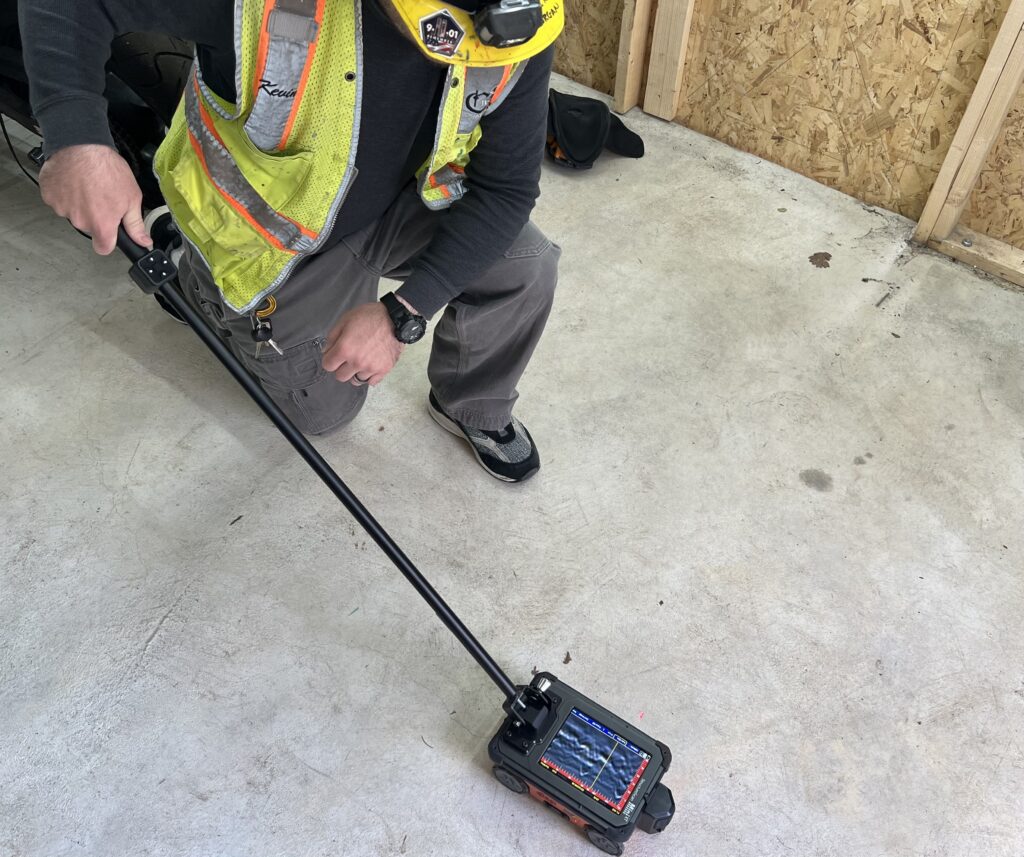
After you have selected a service, effective implementation of the GPR involves careful organization and alignment. Schedule the survey at a moment that reduces disruptions to your deadlines. Open communication with the service about site conditions and any possible obstacles will permit them to get ready for the survey. Make sure to include relevant parties in the process to address any issues and to synchronize goals regarding the GPR's range and objectives.
When the survey is completed, analyzing the results in detail is crucial for making sound choices. The data collected can show critical insights about subsurface features, services, and geological conditions, which can greatly influence the next steps of your undertaking. Therefore, considering the findings with the service to understand the data correctly and grasp its meaning is essential. By carefully adhering to these guidelines, you can successfully select and carry out GPR assessments, greatly improving the security and efficiency of your building project.