Secure One's Area: Innovative Methods for Basement Leak Prevention
When you have even once experienced water intrusion in your basement, you know how essential it is to secure this often-overlooked space of your home. Basement waterproofing is not just a preventive measure; it's a critical aspect of home maintenance that protects your home from deterioration and enhances overall comfort. In this guide, we will examine cutting-edge solutions and strategies that can effectively maintain your basement dry and functional, guaranteeing that it remains a secure and functional space.
Starting with recognizing the signs that indicate a need for prompt waterproofing to understanding the various methods available, this article will serve as a comprehensive resource for homeowners. We will discuss interior versus exterior waterproofing, cover the cost implications, and emphasize the best practices to follow in keeping a waterproof basement. Whether you are dealing with a vintage property, considering a new construction project, or looking to boost your property's value, our insights will enable you to make informed decisions for protecting your space efficiently.
Important Basement Waterproofing Techniques
One of the most successful methods for basement waterproofing is the installation of a water removal system. This includes outside solutions like drainage ditches, which divert water away from the foundation. By properly guiding groundwater and surface water, homeowners can considerably lower the risk of leaks and water intrusion. It is essential to verify that the drainage system is installed properly, as improper installation can result in further problems down the line.
Another major technique is the application of waterproof coatings on the inside surfaces and floors of the basement. These materials create a block that blocks moisture from infiltrating through the walls and floors. Different types of sealants are offered, ranging from spray-on coatings to more sophisticated materials that can tolerate greater levels of moisture. Frequently checking and replacing these coatings can assist maintain a dry and safe basement area.
Basement sump pumps are also a key part of many waterproofing approaches. They function by gathering water that collects in the basement and pumping it out to a designated drainage area outside the home. Installing a sump pump can be especially helpful in areas likely to experience heavy rainfall or flooding. Property owners should make sure their sump pump is properly maintained and checked regularly to confirm effective operation when needed.
Understanding Your Waterproofing Choices
Regarding basement waterproofing, property owners have multiple options to choose from, every one offering unique benefits and considerations. Interior waterproofing consists of techniques that deal with leaks from inside the basement. https://aluneed.ca/ can entail sealants, sump pumps, and drainage systems that manage water intrusion after it enters the space. Interior methods are usually more subtle and may be sufficient for minor water issues, but understanding the source of the moisture is crucial.
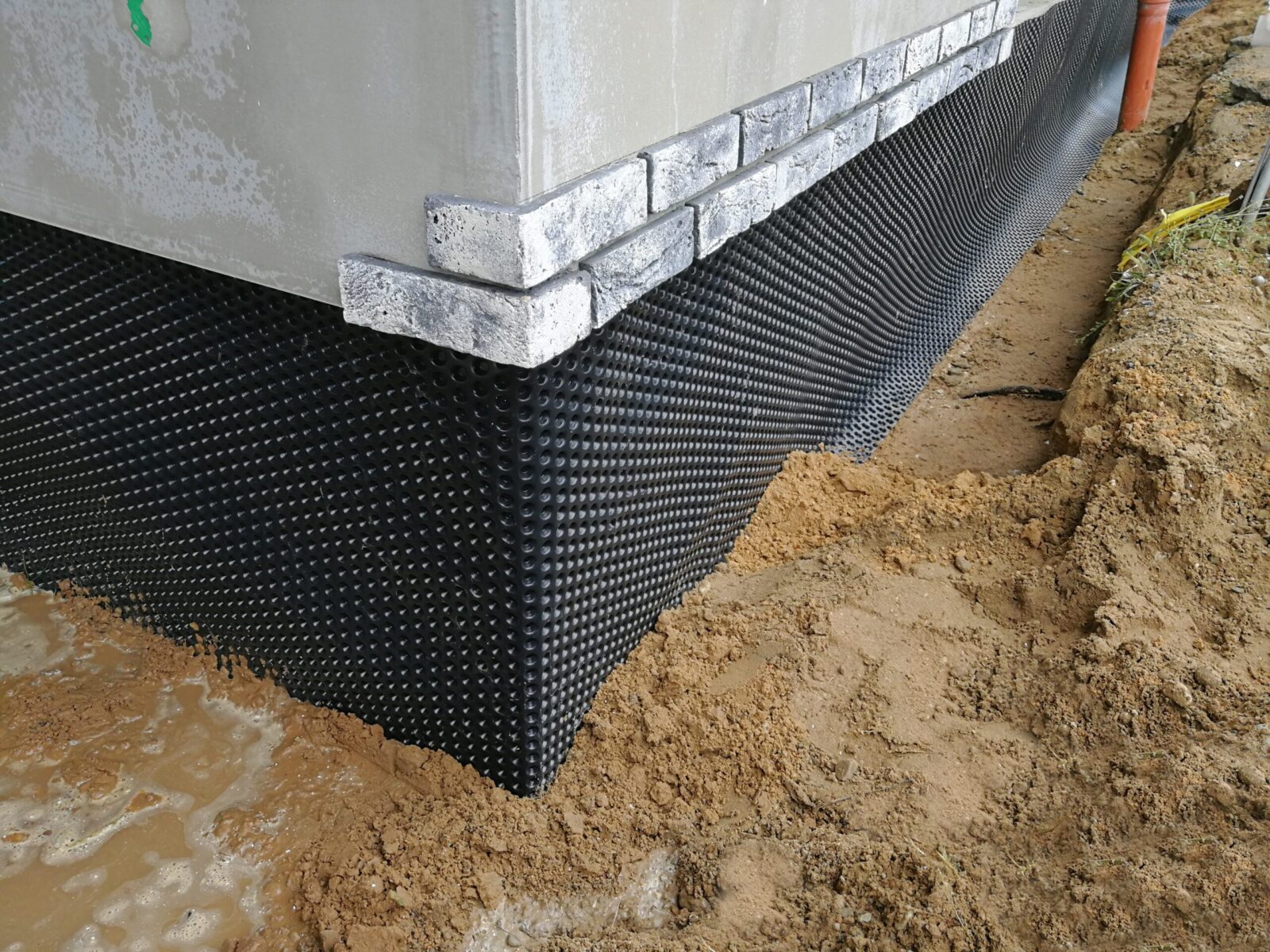
In contrast, exterior waterproofing concentrates on preventing water from getting into the basement in the initial instance. This frequently includes excavation around the foundation, installing drainage systems, and applying waterproof membranes to the exterior walls. While more labor-intensive and costly, exterior solutions are generally more reliable for homes with severe water issues and provide long-term protection against structural damage.
Selecting the best option relies on various factors, including the severity of water intrusion, budget, and the age and condition of the home. Homeowners ought to examine their specific needs and may profit from consulting with professional waterproofing contractors to figure out the best strategy for their situation.
Avoiding Prospective H2O Harm
To efficiently prevent upcoming water damage in your undercroft, consistent upkeep and check-ups are essential. Homeowners should carry out seasonal reviews to confirm that gutters, downspouts, and gutters are unblocked of clutter and working well. This helps to channel liquid away from the structure and lowers the risk of water collecting around the property. Additionally, closing any cracks in the structure and dividers can also lower the likelihood of H2O intrusion.
Allocating resources in proper drainage solutions, such as French drains or pumping systems, plays a major role in stopping H2O destruction. These methods actively control and move H2O away from at-risk areas. Water pumps, in specific, are vital for homes in areas with elevated water tables or areas prone to deluge. Regular evaluation and care of these devices ensure they stay operational, giving homeowners assurance, notably during intense downpours or tempests.
Lastly, enhancing landscaping around your property can also shield your undercroft from prospective H2O destruction. Establishing a gradient slope away from the foundation aids to direct water away effectively. Using absorbent landscaping materials and flora that thrive in water-rich settings can also help to a drier and healthier basement. By adopting these preemptive steps, homeowners can substantially reduce the risk of liquid harm and maintain a dry cellar setting.