The Prospect of Eco-friendly Temperature Control: Investigating Heat Exchanger Developments
In an era where sustainable practices is central of the industrial sector, heat exchangers are emerging as key components in promoting energy-saving techniques and reducing environmental impact. These important devices allow the transfer of heat across two or more fluids, acting a key role in various applications within the industry heating and cooling, power generation, and the chemical industry. With advancements in technology continue to drive the progress of heat exchangers, grasping their roles and advantages is essential for businesses looking to adopt more green practices.
Looking ahead of heat exchanger technology is bright and full of potential for boosting efficiency and performance. With the integration of automated systems, innovative materials, and compact designs, heat exchangers are turning into highly effective than in the past. The following article will discuss the various types of heat exchangers, their roles, and the developments that are shaping their future. By exploring ITT of how these devices work and their impact on energy efficiency, we can value their important role in promoting a greener future.
Grasping Heat Transfer Devices
Heat transfer systems constitute vital components utilized to transfer heat between two and more fluids without the risk of combining them. They serve a key part in multiple business processes, HVAC systems, and sustainable energy applications by improving efficiency and cutting energy consumption. A heat transfer device works following the concepts of thermal dynamics, ensuring that thermal energy from one fluid is effectively conveyed to an alternative, which is often at a lower thermal state.
There are multiple kinds of heat transfer units, each tailored for distinct purposes and operating conditions. Frequent types include shell-and-tube, plate, and tube with fins thermal exchange systems. Tube-in-shell heat transfer devices include a set of pipes inside a bigger shell, enabling energy transfer between the liquids within and around the tubes. Sheet heat exchangers employ several slim surfaces to generate passages for the liquids, boosting surface area and encouraging best heat transfer efficiency.
Choosing the right heat exchanger for a task depends on factors such as fluid traits, temperature requirements, and space constraints. Adequate care is likewise crucial to guarantee durability and performance. By the principles and applications of heat exchangers, industries can utilize these technologies to enhance energy-saving efforts, minimize costs, and foster sustainability initiatives.
Applications and Efficiency
Heat exchangers play a vital role in various industries, allowing efficient thermal energy transfer and adding to overall operational effectiveness. Some of the top applications include electricity generation, HVAC systems, refrigeration, and food and beverage processing. In electricity plants, heat exchangers enable the transfer of heat between fluids, enhancing efficiency in steam generation and cooling systems. The HVAC sector relies on these devices to ensure optimal indoor temperatures while lowering energy consumption, illustrating their importance in modern building management.
The efficiency of heat exchangers significantly influences energy utilization and operational costs. By efficiently transferring heat, these devices reduce energy waste and enhance the overall performance of processes. Innovations in heat exchanger configuration, such as compact designs and advanced substances, have additionally improved heat transfer efficiency while reducing the space required for installation. As organizations aim for increased eco-friendliness, optimizing heat exchangers becomes a key focus to achieve energy efficiency goals and lower carbon footprints.
Moreover, the link between heat exchangers and sustainability is becoming increasingly important. With a increased need for renewable energy sources, heat exchangers are vital in harnessing and utilizing energy from renewable sources, such as geothermal and solar. Their ability to boost thermal efficiency adds to more sustainable operations across fields. By allocating resources in enhanced heat exchanger technology and maintenance practices, organizations can guarantee consistent performance while advancing environmental goals.
Care and Future Trends
Effective maintenance of thermal exchangers is crucial for ensuring their efficiency and longevity. Regular evaluations should be carried out to detect potential issues such as dirt buildup, rust, or drips. Creating a comprehensive maintenance program can help detect early signs of failure, ultimately reducing downtime and operational costs. Technicians should consider using electronic monitoring tools that provide live data on performance metrics, enabling proactive maintenance instead of responsive fixes.
As the need for sustainable heating solutions rises, future directions in heat exchanger technology are geared to improving energy efficiency and lessening environmental impact. Innovations such as streamlined designs, enhanced materials like novel polymers, and innovative manufacturing techniques will enhance more efficient heat transfer processes. Incorporating smart technology for monitoring and control is also anticipated to play a important role in optimizing performance and minimizing energy consumption.
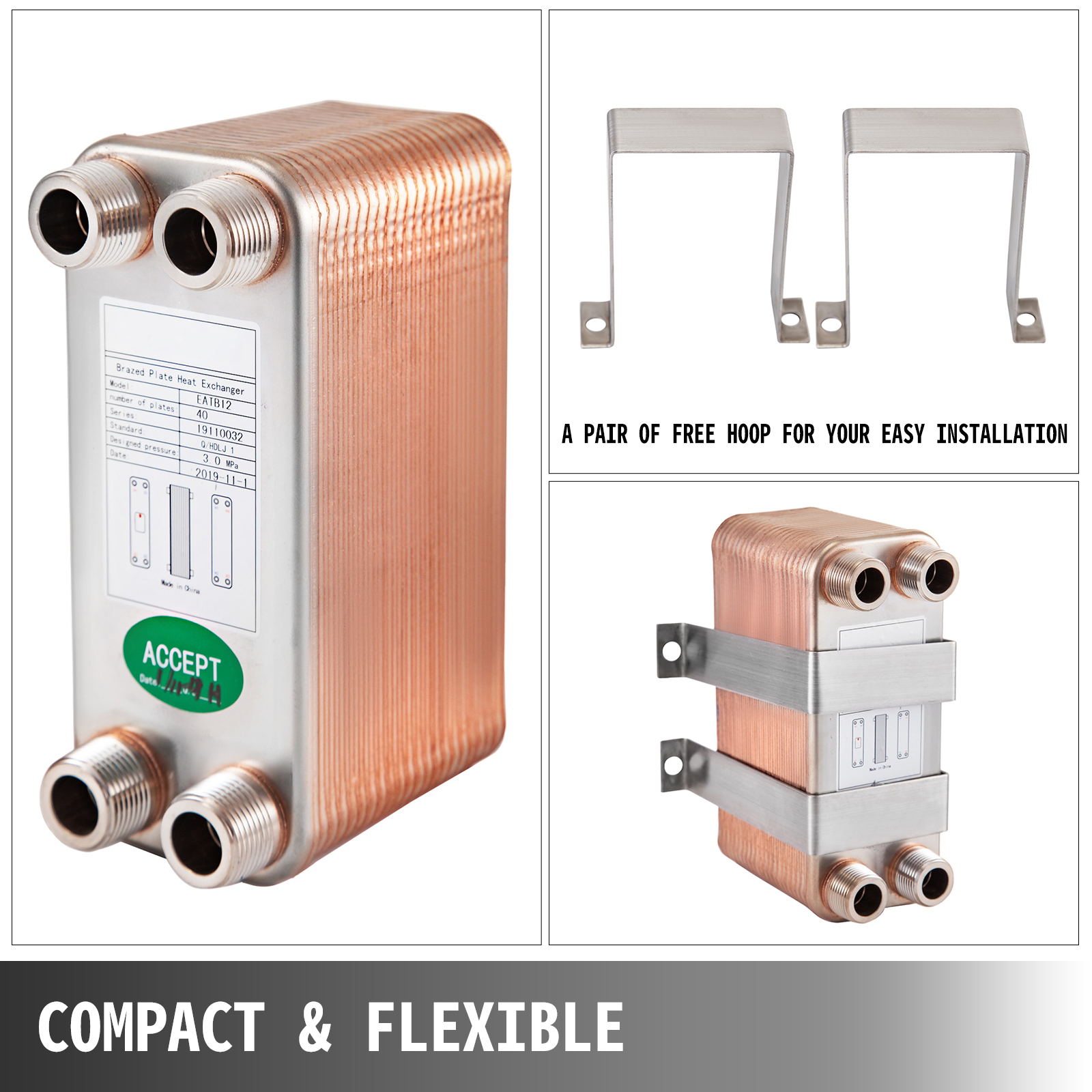
With an increasing emphasis on renewable energy systems, heat exchangers are developing to meet the distinct requirements of these applications. For instance, the design of heat exchangers specifically designed for ground-source and solar heating systems will expand their relevance in sustainable developments. As industries move towards greener practices, ongoing research and partnerships will continue to push advancements in heat exchanger technology, supporting a more sustainable future.